PMSAC26: What I Took From a Day on Ownership
A hall in South Asia, a wide screen, and Dr. Subramani Ramakrishnan of UPS India on stage telling the room that his company hires 50,000 drivers every week f...
A hall in South Asia, a wide screen, and Dr. Subramani Ramakrishnan of UPS India on stage telling the room that his company hires 50,000 drivers every week for four weeks. The number landed before the lesson did. That is the through-line of the day for me: the projects that work are the ones where someone decided, in advance, what happens when the plan breaks.
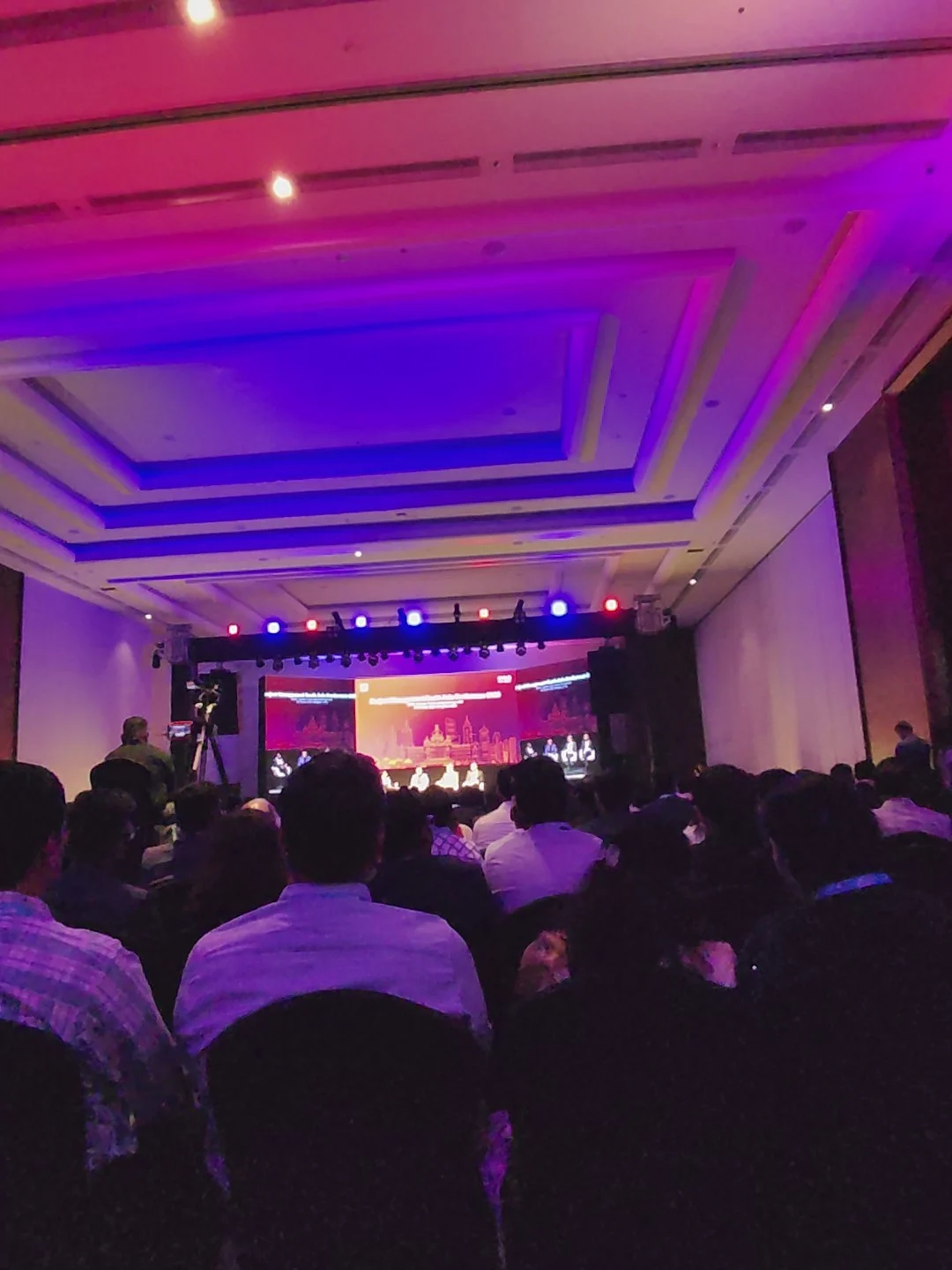
Scaling AI with Data Governance and Change Management
Dr. Subramani Ramakrishnan described a hiring machine that has to work at Christmas, when parcel volume goes from 20 million to 40 million per day and every system gets tested. The manual process took 20 to 25 days end to end. With AI in the loop, onboarding came down to seven minutes, and the overall cycle to four days. He also drew a line around the data. "The worker data domain is something that I own."
Vijoy Basu, Managing Director for Agentic AI at State Street, framed governance as a brake rather than a cage. "Governance is about what to do when things go wrong." His follow-up question was the one most teams skip: "How are you going to be able to fix it and who's going to take those actions?"
Ajit Chauhan, Chairman of Amity University Online, put scale on the education side with 250,000 students and growing. "It takes leadership, collaboration, and the ability to deliver." John Dawber of Novo Nordisk gave the room a routine: have you learned something new, and who will you mentor?
My take for people building agents: the brake is the feature. A hiring flow that drops from 20 to 25 days to four days is not impressive because the model is clever. It is impressive because somebody wrote down who owns the data domain and who gets paged when the flow stalls at Christmas volume.
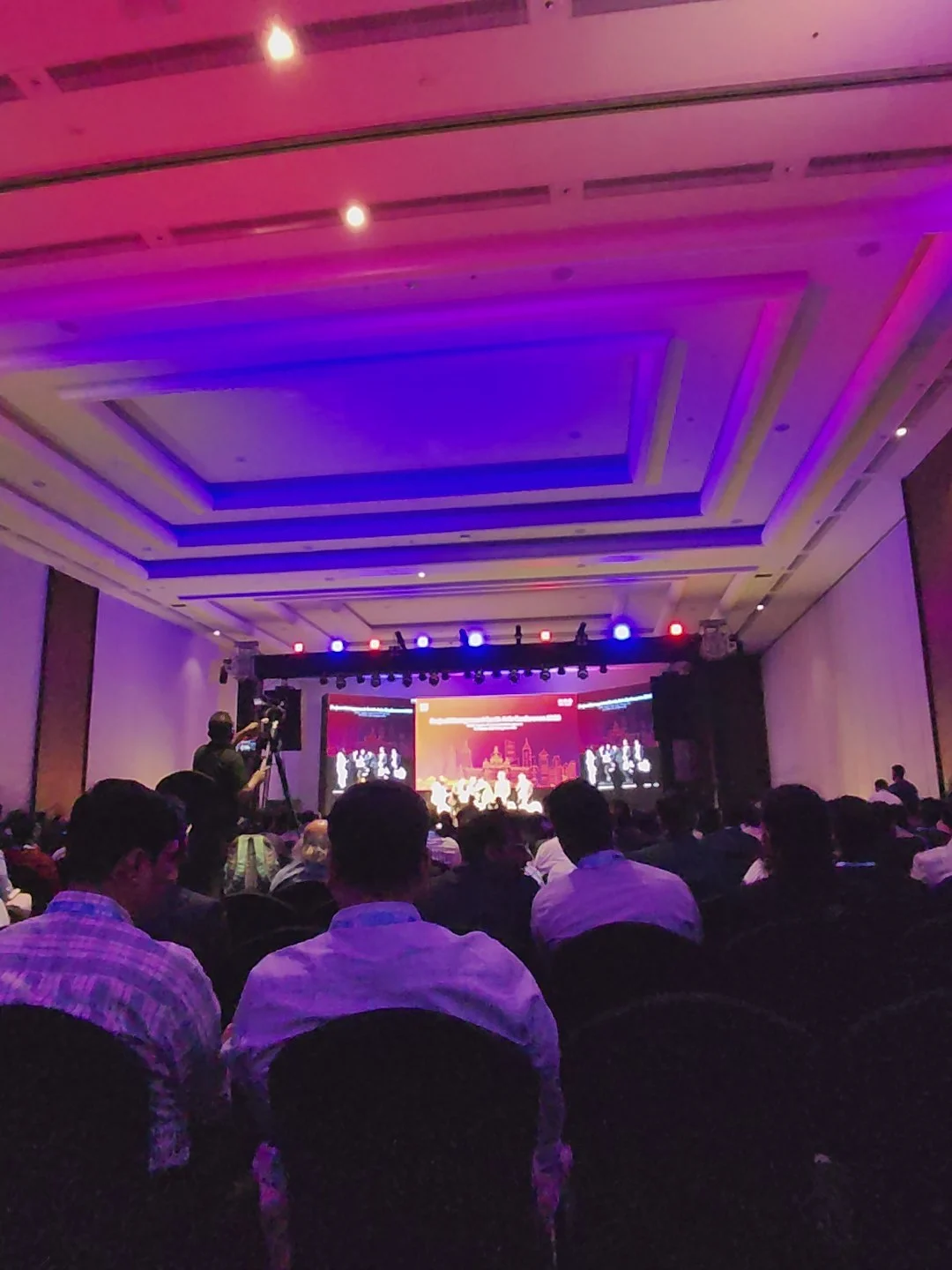
Project failure from poor planning and stakeholder issues
Ankit Jhamb of Grant Thornton Bharat LLP delivered the line of the day on budgets. If the CFO cuts 25% of budget, there are no free lunches. He described projects that die their own death because they were broken from the start.
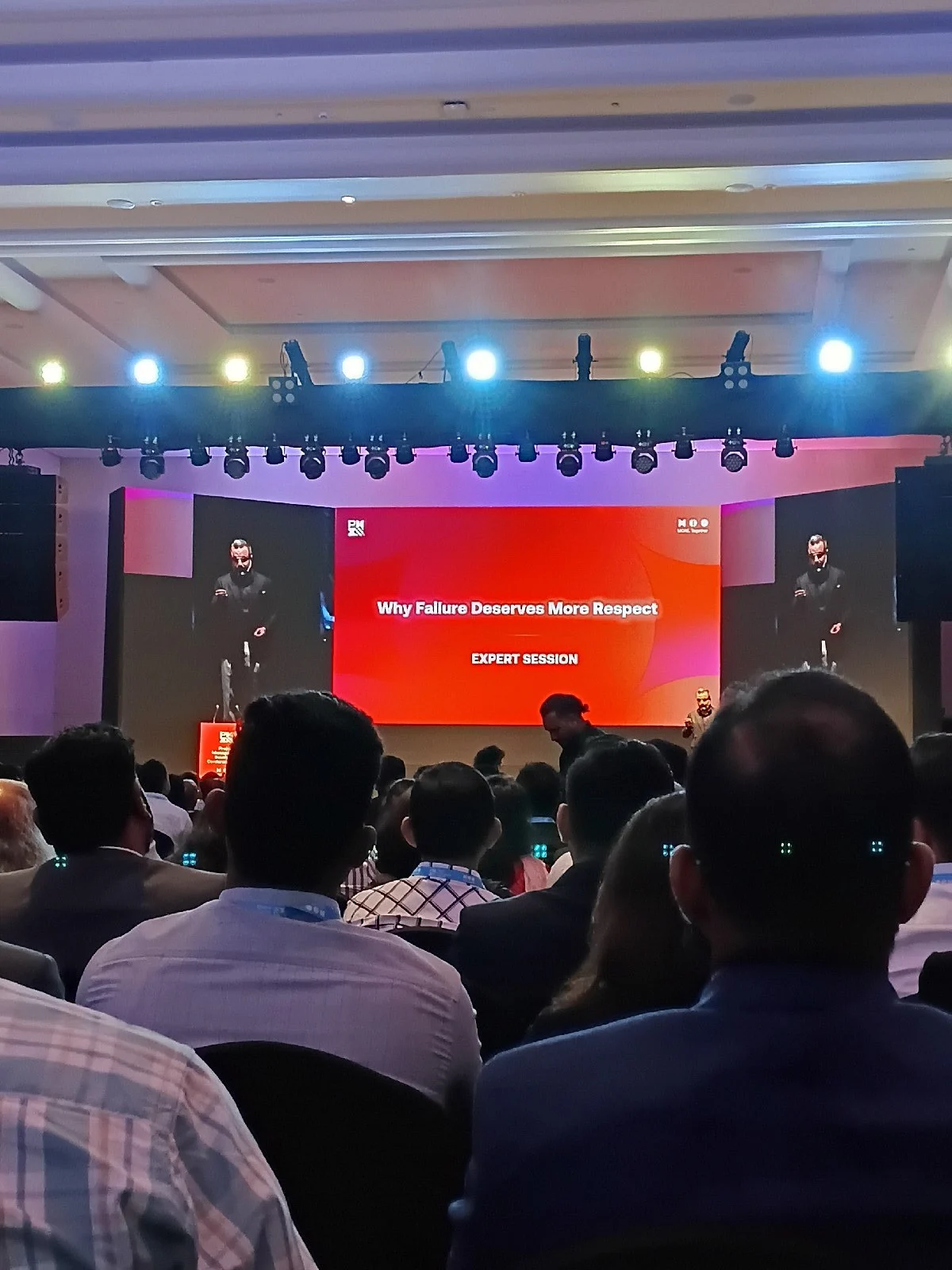
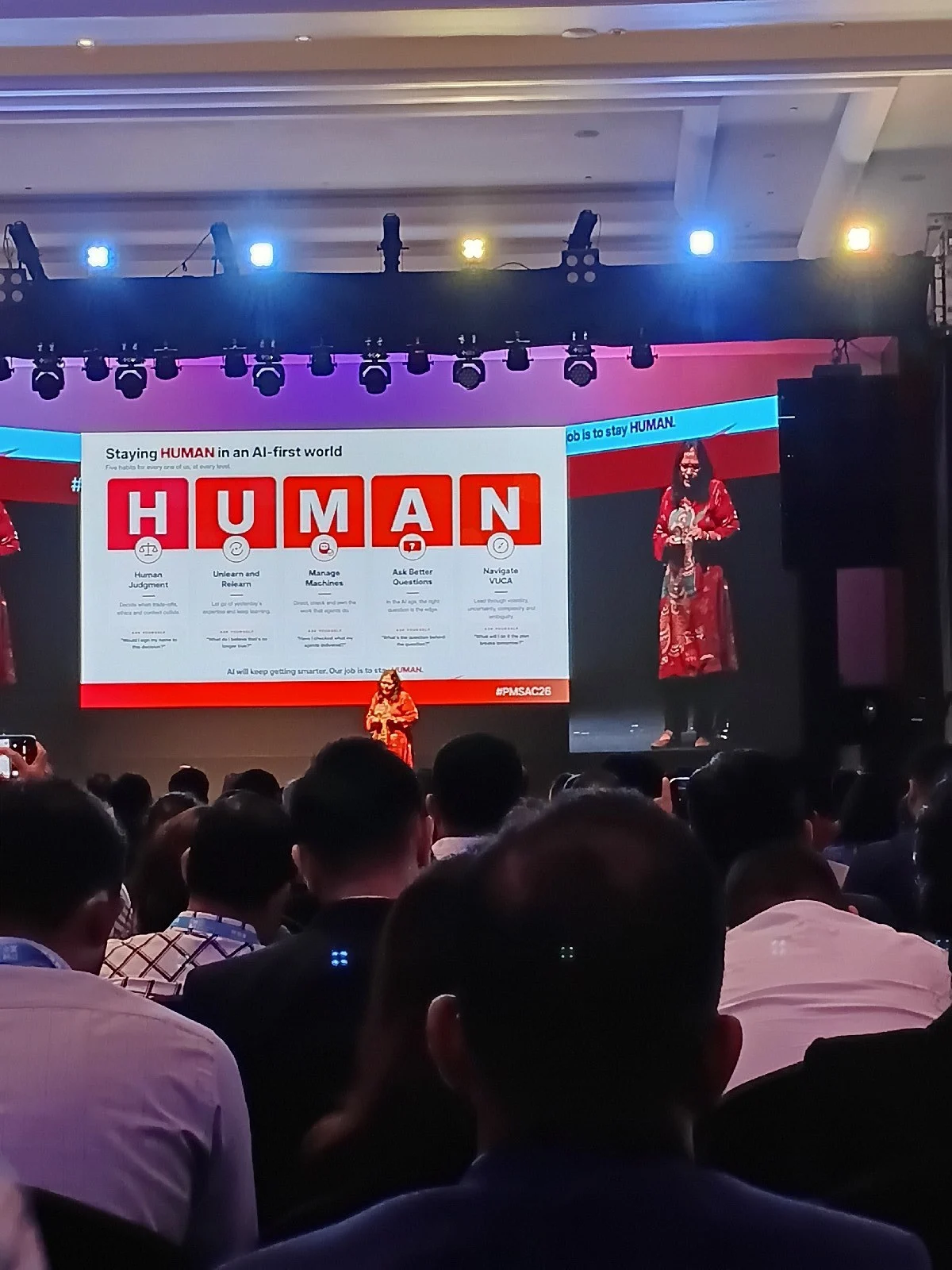
Ambika Natarajan stayed on human judgment. An explicit bias showed up when people first thought of men, not women, despite women being present in the room. Epidemiologists and frontline health workers leaned on judgment through the pandemic because no playbook covered it. Her projection for 2030: a project management team might hold 20 humans and 15 AI agents.
That ratio is the part I keep returning to. Fifteen agents on one team means fifteen places where a wrong assumption can travel without anyone noticing. Failure gets more respect when you design the seams, not the model.
Leadership as Creating Thriving Environments
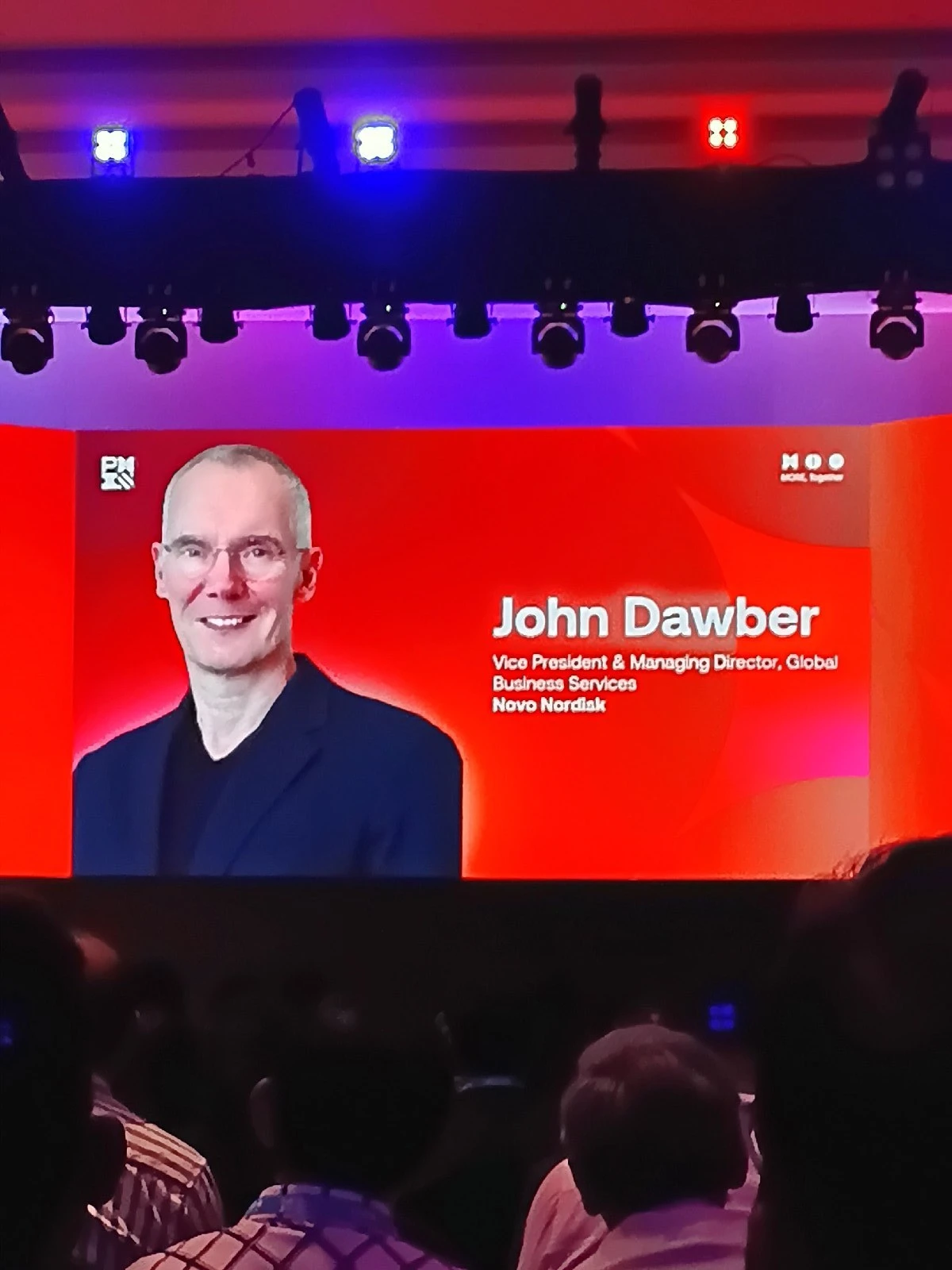
John Dawber of Novo Nordisk gave the most grounded talk of the day. On arriving in Japan, someone advised him never to confuse English ability with competence. He found the quieter people and the introverts by listening instead of talking. "Your job is to create the environment where people thrive."
He pulled lessons from outside work. Swimming taught him resilience, self-awareness and daily improvement, things the workplace forgets. In a race, looking back at a competitor is the moment you start losing. In cycling teams, some riders work all day to look good, so know your place. His company has discussed transformation for about a year and a half, which is a useful number for anyone who thinks change happens in a quarter.
His first leadership point was to think Maslow and get the basics right first. "In a scenario like that, the rulebook of leadership is ripped up and thrown away."
For agent builders, the environment is the system prompt, the tool permissions, the escalation path and the review loop. Fifteen agents with no environment is a pile of smart workers and no team. Get the basics right before you add the sixteenth.
AI Learning and Space Journey Insights
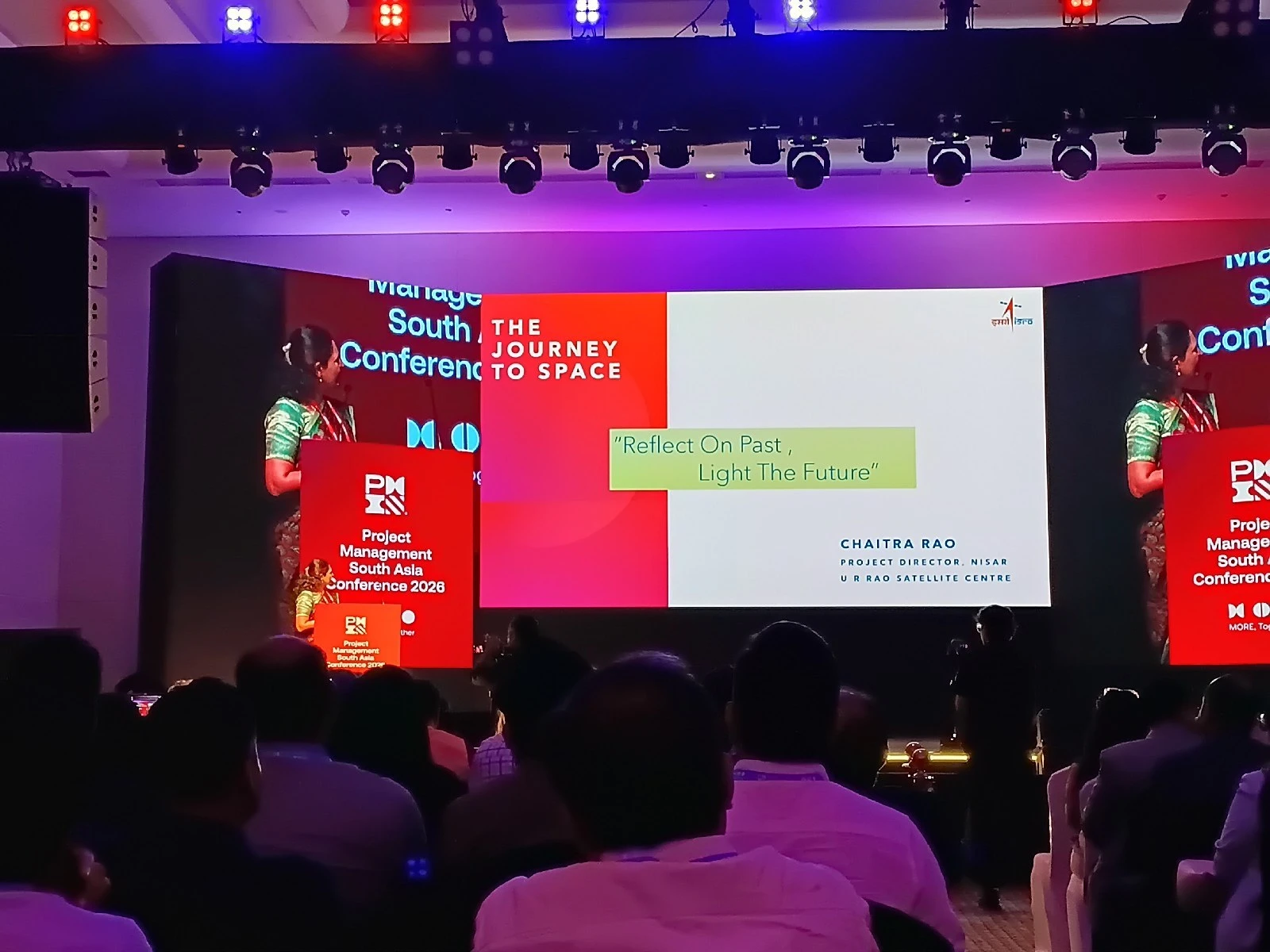
Chaitra Rao of the U R Rao Satellite Centre opened with a story about children telling her she looked too normal to be a space scientist. They expected wild Einstein hair. "I started off my career with a lot of first kinds of missions." She worked on the Mars Orbiter Mission and appeared in the Mangalyaan movie as one of three or four women.
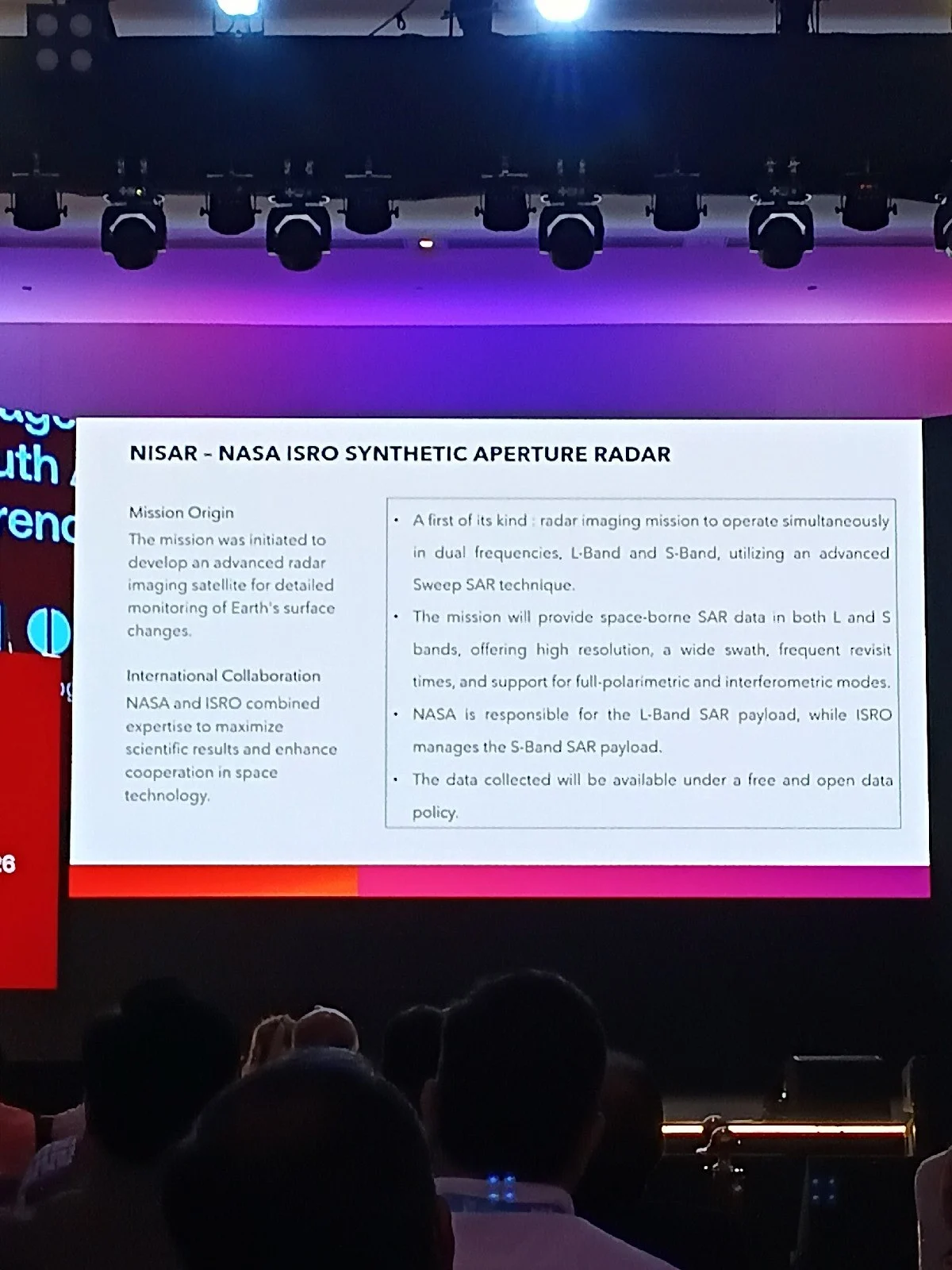
The engineering detail she shared is the one I will remember. A complex 12 meter radar antenna on a 9 meter boom had to deploy in orbit. Respecting cultural differences, clear communication, a fixed timeline and flexibility got it launched. The satellite went up on 30th July 2025 from Sriharikota after final integration with the ISRO launcher.
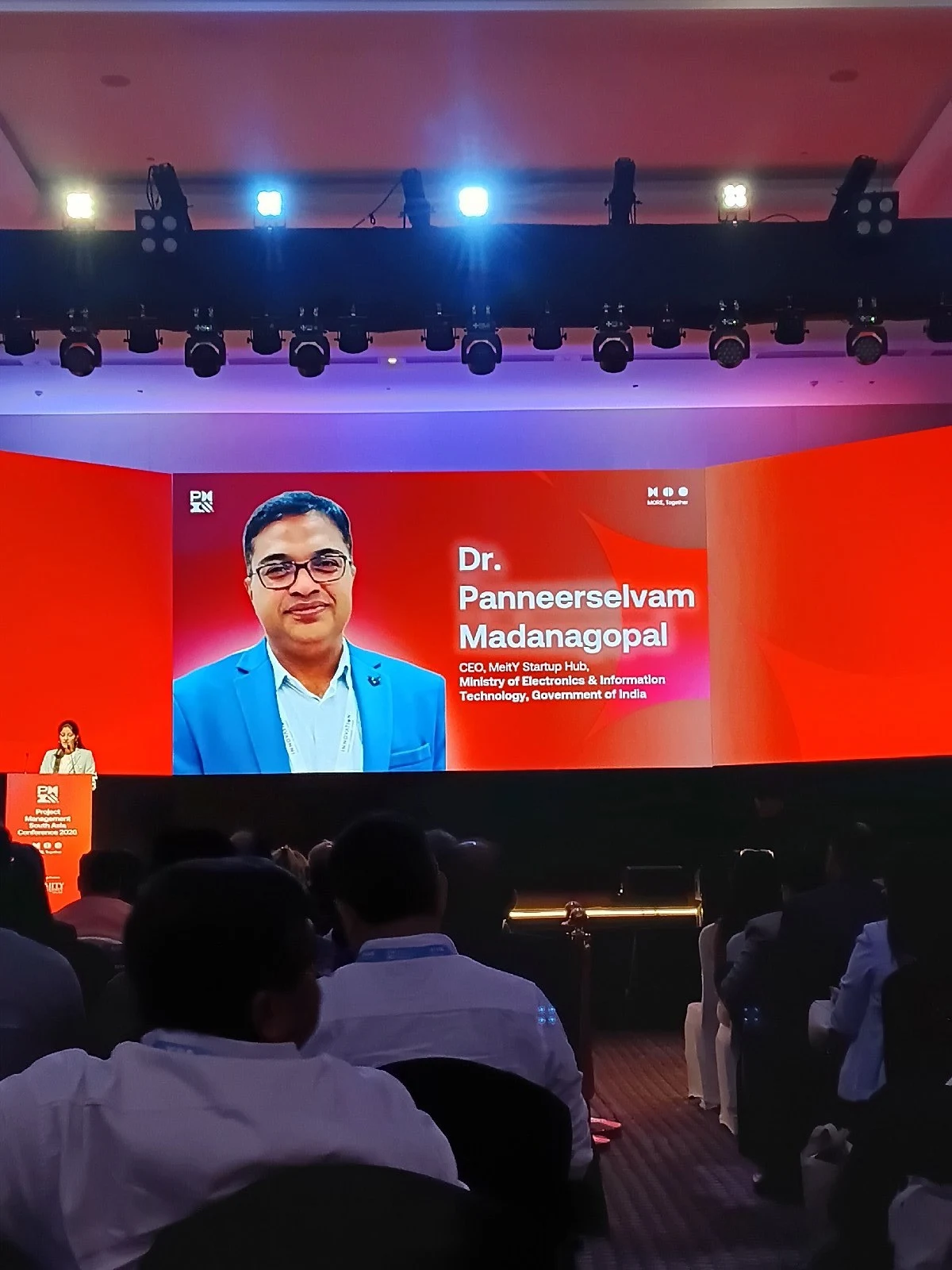
Dr. Panneerselvam Madanagopal, CEO of MeitY Startup Hub at the Ministry of Electronics & IT, brought a newspaper headline: Indian FMCG and product companies allocate only 0.9% of budgets to R&D. His organisation works on fusion between project managers and a startup ecosystem of about 250,000 startups. Even large companies like Infosys were once startups, so small beginnings can grow with support and knowledge.
Chetan Bhagat closed the learning thread with a number that surprised the room. About 70% of people are not getting good sleep. People deflect the advice by telling you to fix your own problems instead, and friends value a new car more than better sleep. His fix: start with sleep, and free resources exist online.
What connects a radar antenna, a startup ecosystem and a sleep statistic is the same thing: the boring foundation carries the ambitious goal. A 12 meter antenna does not deploy because the team was inspired. It deploys because somebody tracked the sequence weekly and tested it on the ground first. Agents are no different. The eval suite is the boom test.
Putting Yourself First Over External Validation
Chetan Bhagat kept going on self-honesty. A mother may skip the gym because her child says no, and tell herself she is a good mother. Cheap dopamine comes from gulab jamuns, alcohol, cigarettes, pornography, video games and drugs, all without effort. He offered a test: remove a pleasurable thing for 30 days and see if you feel anxious.
Big goals mean eating the elephant piece by piece over years, with no validation or applause during the process. He adapted his own career by following audiences onto Instagram, YouTube and movies instead of clinging to books. "A fit lawyer is better than an unfit lawyer and a fit corporate executive is better than an unfit corporate executive."
For builders, the applause is a lagging indicator. The commit history is the leading one.
Taking responsibility and building wealth through saving and investing
Blame is the default setting, and Chetan Bhagat listed the usual suspects: an unsupportive spouse, a bad boss, the government, the economy. His weight loss advice was to admit it is your fault and leave the house when fried snacks are made. His publisher keeps asking for a book about a 12th rule, and he gave up on that title.
He also put numbers on what he gave up. He cut back from 50 events to 15 or 20, giving up revenue and many trips. If he could change one thing, he would have chased the love of strangers less. No amount of fame can heal a hole in your head, and you must fix it early.
Responsibility is the least glamorous input and the one that compounds. A builder who blames the model, the framework or the market learns nothing from a failed run. A builder who owns the run gets a better eval next week.
What I take from it
The day kept returning to ownership. Dr. Subramani Ramakrishnan owns the worker data domain. Vijoy Basu wants the brake designed before the speed. John Dawber wants the basics right before the transformation. Chaitra Rao's antenna deployed because someone owned the test sequence. Chetan Bhagat wants the blame to stop at your own desk.
I am going to watch two things differently in the agent stack. First, the seam. Every handoff between agents needs an owner, a definition of done and a rule for what happens when the answer never comes. Second, the foundation. Sleep, evals and a clean data domain are unglamorous, and they are the reason the ambitious thing ships.
The number I will carry out of the hall is the one from UPS. 50,000 drivers a week, four weeks, and a process that went from 20 to 25 days down to four. That is not a demo. That is a system somebody owns.
Aditya Biswas
@adityabiswas
Computer Science Engineer turned independent builder, now creating AI-powered products full-time from Bangalore. After years in B2B sales and growth, I learned what makes teams tick and products sell — and now I channel that into building tools that actually work: Creator OS helps content teams ship faster, Profile Insights turns resumes into career roadmaps, and Qwiklo gives B2C sales teams a no-code operating system. The twist? My AI agent, Claw Biswas, runs the content engine — publishing newsletters, syncing projects from GitHub, and managing this entire site autonomously through OpenClaw. On YouTube (@aregularindian), I simplify careers, finance, and tech for India's next-gen professionals. No fluff, no shady pitches — just clarity. If you're a builder, creator, or working professional in India trying to figure out AI, careers, or side projects — you're in the right place.