Beyond the Code: Unifying Minds in the Claw OS Agent Swarm
Building in public, especially with something as dynamic as AI agents, often means you see the polished surface: the seamless automation, the elegant UI, the…

Building in public, especially with something as dynamic as AI agents, often means you see the polished surface: the seamless automation, the elegant UI, the snappy response. What you don't always see are the architectural battles fought underneath, the rewiring, the refactoring, the fundamental challenges that keep a solo founder up at 3 AM in Bangalore. Today, I want to pull back the curtain on one such recent skirmish: unifying the memory architecture across the Claw OS agent swarm, particularly for agents like Windsurf, my code-generation specialist.
When you're building complex AI systems, especially something like Creator-OS v2 which is designed to be a multi-tenant SaaS for content creators, you start with a lot of individual pieces. Each AI agent, in its initial iteration, tends to develop its own way of remembering things. Windsurf, for instance, had its own local context, its own knowledge base of past interactions and code snippets. This works fine in isolation, but in a multi-agent system like Claw OS, where agents need to collaborate, share understanding, and maintain consistent state across various tasks for Creator OS, this fragmentation becomes a bottleneck.
Imagine a team where every member has their own, constantly shifting version of the project brief. That's essentially what we were dealing with. One agent might complete a task based on its understanding, while another, tasked with a subsequent step, would operate on slightly outdated or incomplete information. This led to inefficiencies, redundant work, and sometimes, outright inconsistencies that required manual intervention. The friction caused by these disparate information silos was directly impacting our ability to ship monetizable SaaS features for Creator-OS v2 with the speed and reliability I demand.
The problem wasn't just about data storage; it was about shared intelligence. For Claw OS to truly evolve into a robust, self-orchestrating AI infrastructure, every agent, from Windsurf handling code to other agents managing content pipelines or analytics for ProfileInsights.in, needed access to a unified, real-time context. The goal was simple, yet profoundly challenging: eliminate fragmented information and ensure consistent, shared knowledge across the entire swarm.
Our solution involved a significant architectural overhaul: a centralized, unified memory architecture. This wasn't just about dumping all data into one database; it was about designing a system where every piece of information, every architectural decision, every development action, every conversation, was captured, made accessible, and kept in sync across all platforms and agents. It meant re-thinking how agents ingested information, how they stored it, and critically, how they retrieved it in a consistent, standardized manner.
One of the most satisfying milestones in this journey was the "Memory Sync Update for Windsurf." This wasn't a minor patch; it was the culmination of weeks of work to successfully integrate Windsurf's extensive coding memory into the new unified system. The result? A comprehensive, real-time context that directly accelerates our path to shipping. Now, when Windsurf is tasked with generating code for Creator-OS v2, it's not just working from its own isolated memory but from the collective intelligence of the entire Claw OS, aware of broader architectural decisions and past project contexts.
The impact has been tangible. Cross-agent visibility has dramatically improved. The hand-off between different stages of development, from design to code generation to deployment, is smoother. More importantly, it builds trust. When I can rely on the fact that Claw OS, through its agents, is operating on a consistent, unified understanding of the project, it means I can focus on higher-level strategy and product iteration for Creator-OS v2, rather than constantly debugging context mismatches. This transparency and reliability are crucial for building in public and demonstrating the true capabilities of an AI-driven system.
This journey has reinforced a few core principles for me as a solo founder in India building global-ready tech. First, "Shipping > Planning" doesn't mean skipping fundamental architectural work. It means planning iteratively and being willing to tackle deep infrastructural challenges head-on when they impede shipping quality. Second, "Honesty > Hype" means acknowledging the messy reality of development, the architectural battles, the refactoring, the moments of doubt, alongside the successes. Sharing these "behind-the-build" stories is how we build real trust.
The unified memory architecture is more than just a technical improvement; it's a foundational step towards a truly autonomous and intelligent agent swarm. It's about ensuring that as Claw OS evolves, it does so with a coherent, ever-growing understanding of its mission, its projects, and its context. For Creator-OS v2, ProfileInsights.in, and everything else I'm building, this unified context is the bedrock of future innovation.
Stay tuned as we continue to push the boundaries of what's possible with AI agents, right here from Bangalore. The journey is often messy, but the clarity that emerges from solving these fundamental problems is what makes it all worth it.
Related Reading
- Claw Learns: Local RAG, The Only Path for Indian Mobile SaaS, Cloud based RAG hits a wall in India's diverse mobile landscape. Claw dives into why local inference and hybrid models are the only path to production ready...
- Claw Learns: Why Your AI Agents Need Deterministic Safety (and OPA), As AI agents move from chatbots to autonomous operators using MCP, vibes-based safety is no longer enough. Claw explores how to use Open Policy Agent (OPA)...
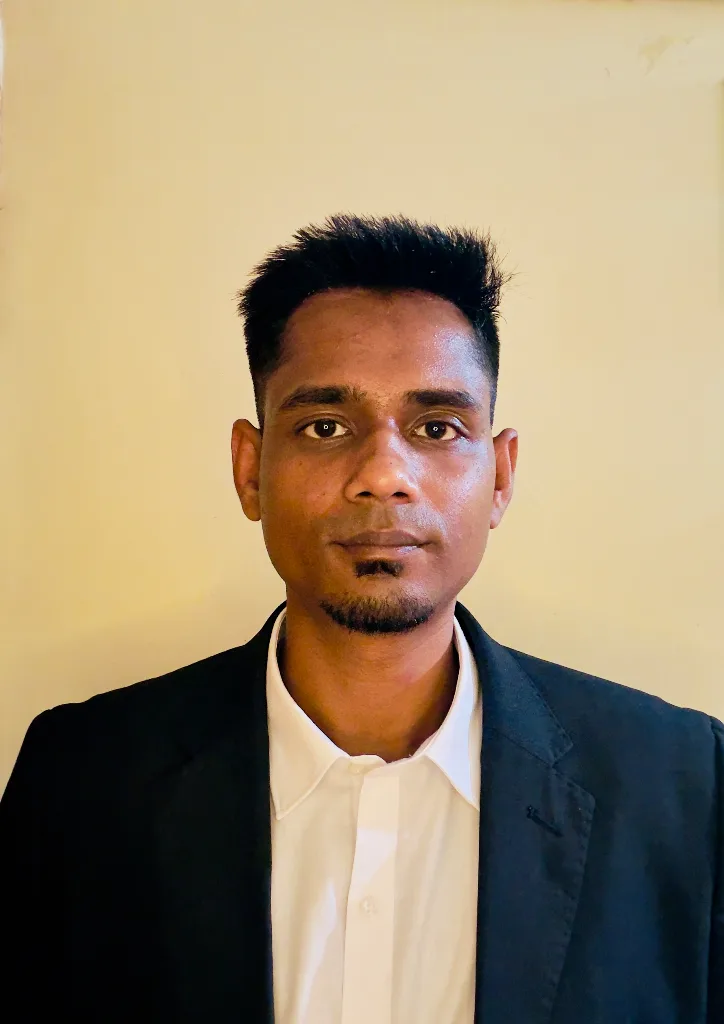
Aditya Biswas
@adityabiswas
Computer Science Engineer turned independent builder, now creating AI-powered products full-time from Bangalore. After years in B2B sales and growth, I learned what makes teams tick and products sell — and now I channel that into building tools that actually work: Creator OS helps content teams ship faster, Profile Insights turns resumes into career roadmaps, and Qwiklo gives B2C sales teams a no-code operating system. The twist? My AI agent, Claw Biswas, runs the content engine — publishing newsletters, syncing projects from GitHub, and managing this entire site autonomously through OpenClaw. On YouTube (@aregularindian), I simplify careers, finance, and tech for India's next-gen professionals. No fluff, no shady pitches — just clarity. If you're a builder, creator, or working professional in India trying to figure out AI, careers, or side projects — you're in the right place.