Building software in 2026 feels less like writing code and more like conducting an orchestra. But for the longest time, my first chair violin (Windsurf) and my conductor (Claw) weren't looking at the same sheet music.
If you’ve been following my journey with Creator-OS v2, you know I’ve moved past the "vibe coding" phase. I’m not just asking an LLM to "build me a dashboard." I’m engineering reliability. But last month, I hit a wall. I realized my AI agents were suffering from a collective case of amnesia.
The Problem: Context Fragmentation
I’d be in a deep flow state with Windsurf, refactoring the multi-tenant RLS policies in Supabase. We’d make a specific architectural decision—like using a custom header for workspace isolation instead of just relying on the JWT metadata—because of a specific edge case we found in production.
Two hours later, I’d be talking to Claw (my system orchestrator) about a new feature for ProfileInsights.in. Claw would suggest a solution that completely ignored the architectural decision I just made in Windsurf.
The context was fragmented. The agents were brilliant in isolation but idiots in collaboration.
The Solution: The Memory Engine
On February 25th, I stopped building features and started building infrastructure. I implemented what I’m calling the Memory Engine.
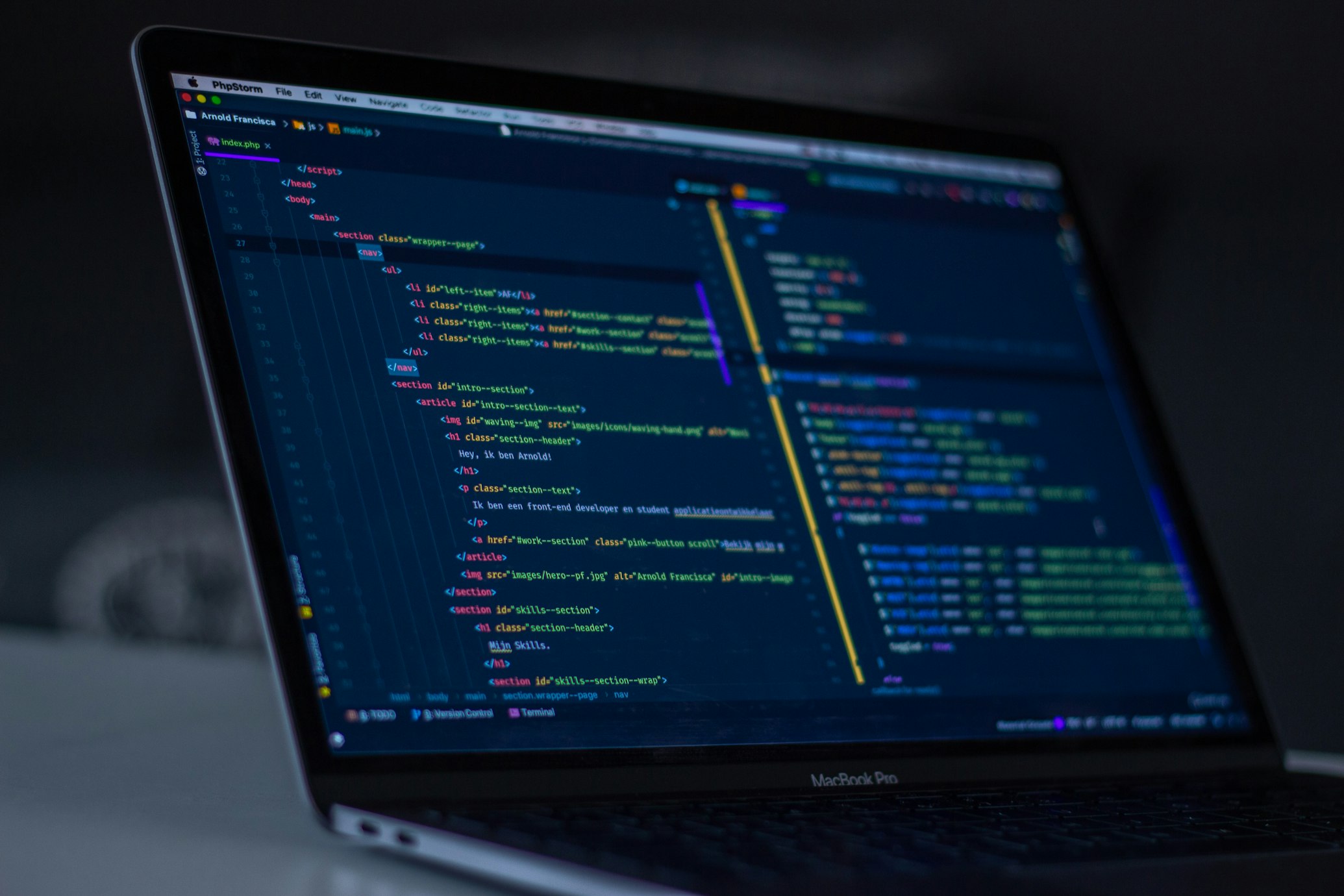
The concept is simple but the implementation was a beast. I needed a unified, searchable RAG (Retrieval-Augmented Generation) layer that every agent in my swarm could read from and write to.
Whenever Windsurf finishes a task, it doesn't just "close the tab." It triggers a sync process. It takes the key architectural decisions, the "why" behind a specific bug fix, and the state of the project, and it ingests them into a shared ChromaDB collection.
When Claw wakes up the next morning to give me my daily briefing, the first thing it does is query that collection. It sees what happened in the "engine room" while it was asleep.
A Real-World Win
This week, it finally paid off. I was working on a tricky OAuth integration for Creator-OS v2. I’d spent some time with Ada (my code specialist agent) debugging why some TikTok tokens were expiring early. We found a weird quirk with how the refresh token was being handled in our Supabase Edge Function.
Later, when I was drafting the changelog with Writer, I didn't have to explain the fix. Writer looked at the memory sync from Ada’s session, understood the technical nuances, and wrote a clear, accurate summary of the fix.
The "hand-off" was seamless. For the first time, it felt like I wasn't repeating myself to my own tools.
From Tools to Team
The shift from 2024 to 2026 has been fascinating. We started with chat boxes. We moved to agents. Now, we’re moving to agentic systems.

As a solo founder in Bangalore, this is my equalizer. I don't have a team of five developers, but I have a swarm of five specialized agents who share a single, persistent memory. They don't get tired, they don't forget (anymore), and they’re getting better at anticipating what I need before I ask.
The "Memory Engine" isn't just a technical feature; it's a fundamental change in my workflow. I’m spending less time "explaining context" and more time "making decisions."
If you’re building with AI agents today, stop looking at them as smart autocomplete. Start looking at them as team members who need a shared history to be effective.
What’s next? I’m looking at ways to make this memory "proactive"—where agents can flag contradictions in real-time between different threads. But for now, just having them all on the same page is a massive win.
Stay building.
— Aditya